
Summer Skin Protection: Expert Advice for Healthy Skin
 Read time: 5 mins
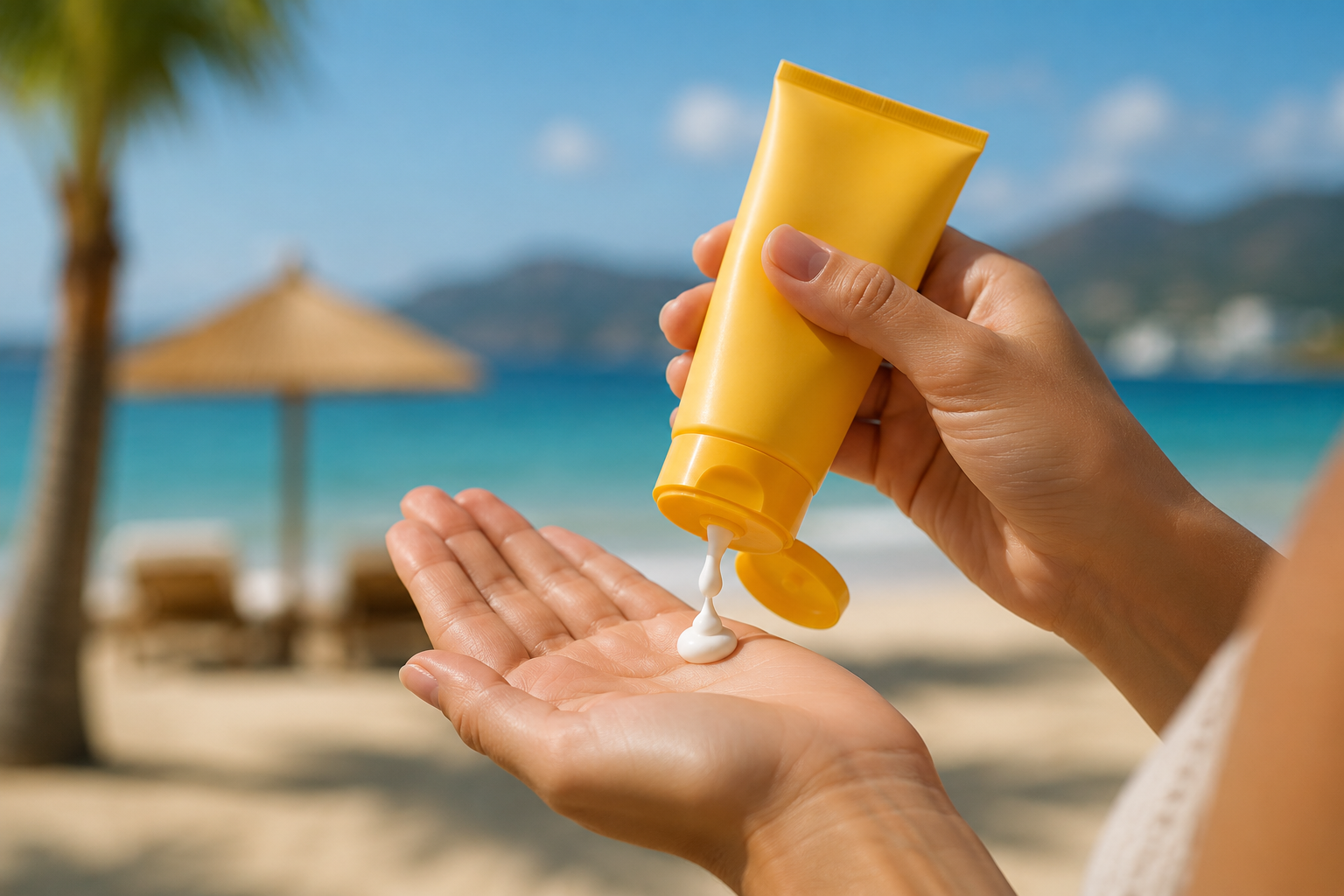
As the summer months arrive, many people naturally become more aware of protecting their skin from the sun. While sun protection is important all year round, longer days and increased time outdoors during summer can significantly raise the risk of sunburn and long-term skin damage.
Dr Natasha Kapur, Consultant Dermatologist at St John & St Elizabeth Hospital, shares her advice on how to keep skin healthy and protected during the warmer months.
Sunburn can do more than cause temporary discomfort — it can damage the skin and increase the risk of skin problems later in life. Taking simple preventative steps can make a big difference. Using a sunscreen with SPF 30 to 50 helps create a protective barrier between the skin and harmful UV rays. When choosing a sunscreen, it is important to look for both UVB and UVA protection. The amount of UVB protection is indicated by the SPF, a high factor helps prevent burning, while UVA protection is indicated with a star rating (4-5 Star being the best) or PPD rating helps protect the skin from premature ageing.
It is also important to remember that sunscreen does not last all day. Many people forget to reapply, but maintaining a generous layer throughout the day is essential, especially when spending time outdoors, as sunscreen can begin to wear off after a few hours. If one is in the water the water resistant sunscreens only give 40 minutes of protection before they must be reapplied.
Daily facial sun protection is just as important as protecting the rest of the body. Those with oilier skin may prefer lighter, oil-based formulas, while people with drier skin may benefit from more nourishing, cream-based options. Many moisturisers now include SPF 30, which can be a convenient way to combine hydration and protection in one step.
Dr Kapur also advises limiting time in direct sunlight between 11am and 4pm, when UV levels are at their strongest. Simple measures such as wearing a wide-brimmed hat and loose, lightweight UV protective clothing can help keep you cool while adding an extra layer of protection. These steps are particularly important for protecting moles and sensitive areas of skin.
It is also a good idea to keep an eye on any moles and monitor them for changes in shape, colour, or height. Following the ABCDE guide for mole checks can be helpful, and if anything looks different or concerning, it is important to seek advice from a dermatologist.
Key ways to stay safe in the sun
- Wear a daily facial sun cream or moisturiser with factor 30+ protection
- Re-apply sun cream within 40 minutes of going into a pool or sea – even if it is water-resistant
- Check your sun cream protection levels – not all sun creams have high UVA protection
- Avoid direct sunlight when the sun is the strongest and cover-up where possible
- Monitor any moles for changes and book a dermatologist appointment if you see any changes.
Even when there are no obvious skin concerns, a yearly skin check can provide reassurance and help detect potential issues early. Our skin works hard every day to protect us from the environment, so taking the time to care for it is always worthwhile.
Visiting a private dermatologist can offer quick access to expert advice, accurate diagnosis, and personalised treatment for a wide range of skin concerns. Dermatology consultants can carry out a thorough examination and recommend the most appropriate care plan to help keep skin healthy and looking its best.
Posted on: 11 May 2026
Last updated: 11 May 2026
Tags:
Content provided by Dr Natasha Kapur - MBBS BSc FRCP