


What is a lung function test?
A lung function test is a group of non-invasive breathing tests that assess how well your lungs are working, measuring airway function (how freely air moves in and out), lung volume (the total capacity of your lungs) and gas exchange (how efficiently oxygen passes into the bloodstream). The tests are pain-free and typically take 30 minutes to an hour as an outpatient.
The most common tests are spirometry, which measures airflow and is the primary test for diagnosing asthma and COPD; lung volume testing, which measures total lung capacity; diffusion capacity testing, which assesses how efficiently oxygen passes into the bloodstream; and peak expiratory flow measurement, which monitors airway function. Based in St John’s Wood (NW8), our specialist respiratory team offer the full range of lung function tests to patients across London.
Who should have a lung function test?
A lung function test may be recommended if you:
- Experience breathlessness, persistent cough or wheezing that has not been explained
- Have been diagnosed with or are suspected of having asthma, COPD or another respiratory condition
- Need to monitor how an existing lung condition is responding to treatment
- Are due to have heart or lung surgery and require a pre-operative respiratory assessment
- Have been exposed to occupational hazards such as dust, chemicals or fumes that may have affected your lung health
Your GP or specialist will usually refer you for a lung function test. If you do not have a referral, our on-site private GP service may be able to arrange one for you.
Before
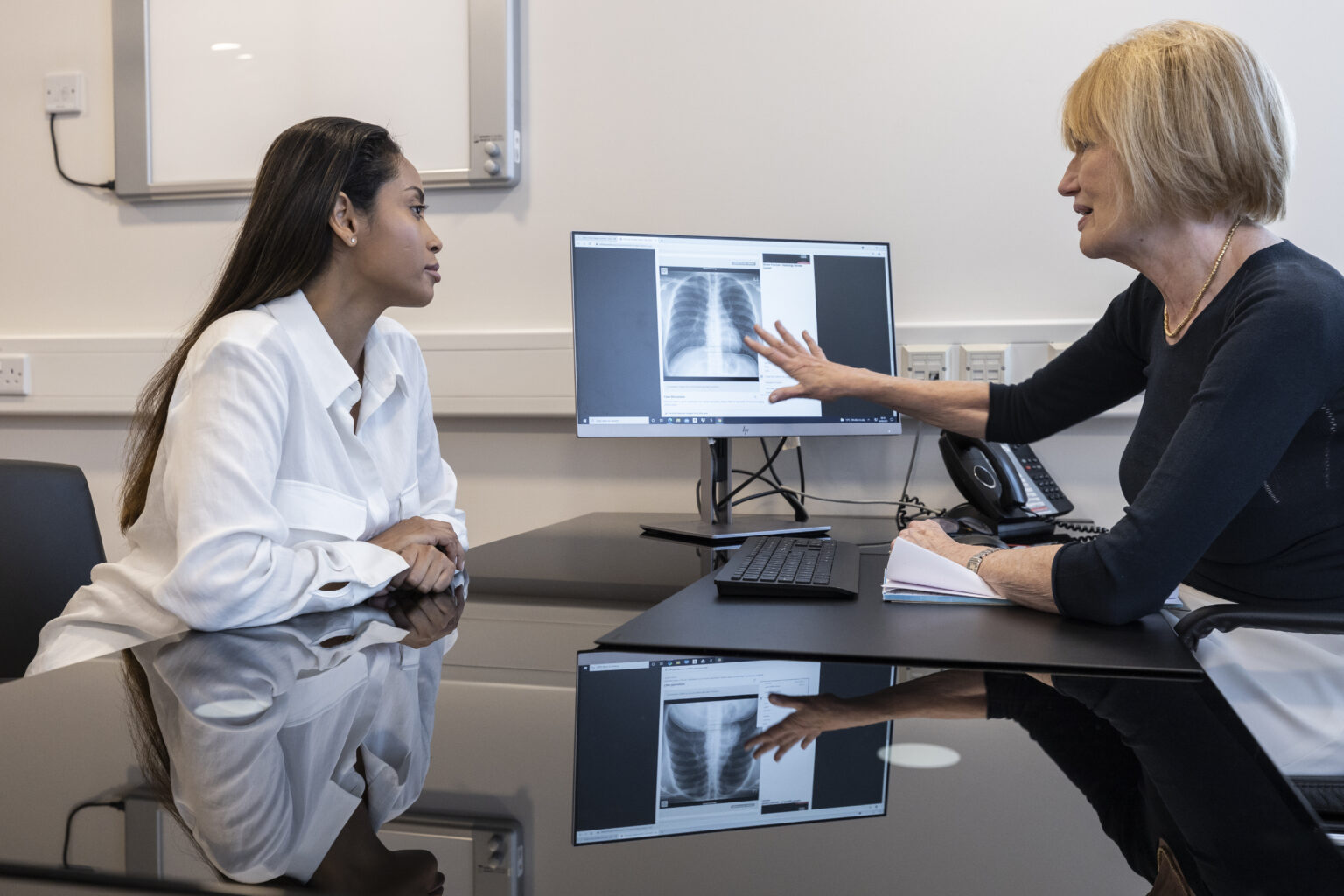
Prior to beginning a lung function test, you may have an initial appointment with the doctor.
If they suggest that you should have a lung function test, you may need to follow certain preparation guidelines to ensure accurate and reliable results. Here are some general guidelines, but it’s essential to follow any specific instructions provided by your healthcare provider:
- Medications: Inform your healthcare provider about all the medications you are currently taking, including prescription drugs, over-the-counter medications, and supplements. In some cases, your doctor may ask you to adjust your medication schedule before the test.
- Avoid Smoking: If you are a smoker, it is advisable to refrain from smoking for a certain period before the test. Smoking can affect lung function and may impact the accuracy of the results.
- Avoid Certain Substances: Avoid consuming substances that can affect lung function, such as caffeine or bronchodilator medications, before the test. Your healthcare provider will provide specific instructions on what substances to avoid and for how long.
- Fasting: In most cases, there is no need to fast before a lung function test. However, you may be advised to avoid heavy meals, caffeine, or alcohol for a few hours before the test.
- Comfortable Clothing: Wear loose-fitting clothing that allows you to breathe comfortably. Tight clothing may restrict your ability to take deep breaths during the test.
- Rest: Get a good night’s sleep before the test and avoid strenuous physical activity on the day of the test. Fatigue and exhaustion can affect your lung function.
- Bring Your Inhaler: If you use an inhaler for a respiratory condition, bring it with you to the test. Your healthcare provider may want to assess your lung function with and without the use of the inhaler.
These tests are also offered as pre-emptive action. If you’re scheduled to have heart surgery, you may be given a lung function test to assess whether your lungs are strong enough to cope with the operation.
During
The duration of lung function tests can vary depending on the specific tests being performed and the individual’s ability to cooperate and follow instructions. On average, a complete set of pulmonary function tests, including spirometry and other relevant measurements, may take approximately 30 minutes to an hour.
The specific tests conducted can vary, but here’s a general overview of how the most common lung function tests are performed:
Spirometry
You will be asked to sit comfortably in a chair. A soft clip is placed on your nose to ensure that you breathe only through your mouth. You will be instructed to take a deep breath and then exhale as forcefully and completely as possible into a device called a spirometer.
The test is usually repeated several times to ensure consistent and accurate results.
Lung volume tests
You may be seated inside a small, airtight booth or chamber. You will breathe in and out through a mouthpiece attached to the testing equipment.
Diffusion Capacity Test
You will be asked to breathe in a small amount of a test gas, such as carbon monoxide. The concentration of the gas in the air you exhale is measured to assess how well oxygen moves from your lungs into your bloodstream.
Peak Expiratory Flow (PEF) Measurement:
You will use a handheld device called a peak flow meter. Take a deep breath and then exhale as forcefully as possible into the meter. The meter measures the maximum speed of air as it exits your lungs.
After
Due to the speed of lung function tests, you’ll receive your results soon after taking the test.
The results of these tests provide valuable information about your lung function, helping healthcare providers diagnose respiratory conditions, monitor disease progression, and tailor treatment plans. The doctor will review the results with you, and you will agree what next steps to take. It might be that they arrange another appointment with you to walk you through the options or they book you in for a further procedure.
How Much Does A Private Lung Function Test Cost?
from £460
The cost of private Lung Function Test starts from £460* at St John & St Elizabeth Hospital.
*The price shown is an estimated guide to the hospital charges associated with your treatment from admission to discharge. Your final cost may vary depending on your individual clinical needs, the procedure performed, any additional treatments required, the type of implant/prosthesis used (where applicable), and the length of stay. This guide price excludes consultation fees, diagnostic tests, and professional fees charged separately by your surgeon, anaesthetist, and any other specialists involved in your care.
How to pay for your treatment
If you’re… paying for yourself
Did you know you don’t need private medical insurance to come to St John & St Elizabeth Hospital? As a self-pay patient, you can access safe, outstanding quality health care at times to suit you.
For scans and tests, as well as to see most consultants, you’ll still need to be referred by a medical professional like your GP, but as a self-pay patient, the process is more straightforward. You won’t need authorisation from an insurance provider, and you’ll have greater choice of consultant and appointment times.
If you’re… insured
St John & St Elizabeth Hospital is approved by all major medical insurance companies. If you have a personal private health insurance policy, or your company provide it for you, you can use it to pay for your care from your initial consultation through to treatment, surgery and aftercare such as physiotherapy. Not all private health insurance plans cover the same things. It’s very important to check exactly what you are covered for with your insurance provider.
Frequently asked questions about lung function testing
St John & St Elizabeth Hospital is located in St John’s Wood (NW8), easily accessible for patients from Hampstead (NW3), Kilburn (NW6) and across North and Central London.
By Tube: St John’s Wood station (Jubilee Line) is a 5-minute walk from the hospital.
By Bus: Routes 13, 46 and 113 stop near St John’s Wood Underground Station. Routes 139 and 189 stop on Abbey Road.
By Car: Finchley Road and Kilburn High Road provide direct routes from NW3 and NW6.
To ensure accurate results: tell your healthcare provider about all medications you take, as some may need to be paused beforehand; avoid smoking for at least four hours before the test; avoid caffeine and alcohol for a few hours before; wear loose, comfortable clothing; avoid strenuous exercise on the day. If you use an inhaler, bring it with you as your provider may want to assess your lung function with and without it.
For most tests and scans at St John & St Elizabeth Hospital, a referral from a GP or other healthcare professional is required. If you do not have a referral, our on-site private GP service may be able to arrange one for you.
A complete set of lung function tests typically takes between 30 minutes and one hour, depending on which tests are required. Results are usually available the same day.
Spirometry is the most common type of lung function test and is often used as a standalone assessment. A full lung function test may include spirometry alongside additional tests such as lung volume measurement and diffusion capacity testing, providing a more comprehensive picture of respiratory health.
Lung function tests can help diagnose or monitor a range of respiratory conditions including asthma, chronic obstructive pulmonary disease (COPD), pulmonary fibrosis, interstitial lung disease and other disorders affecting breathing and lung capacity.
Medically reviewed by Professor Margaret Johnson - MD FRCP Higher Professional Training in General Medicine & Thoracic Medicine on 20/12/2023