
Spotting the Signs: Expert Paediatric Advice for Parents This Bug Season
 Read time: 5 mins
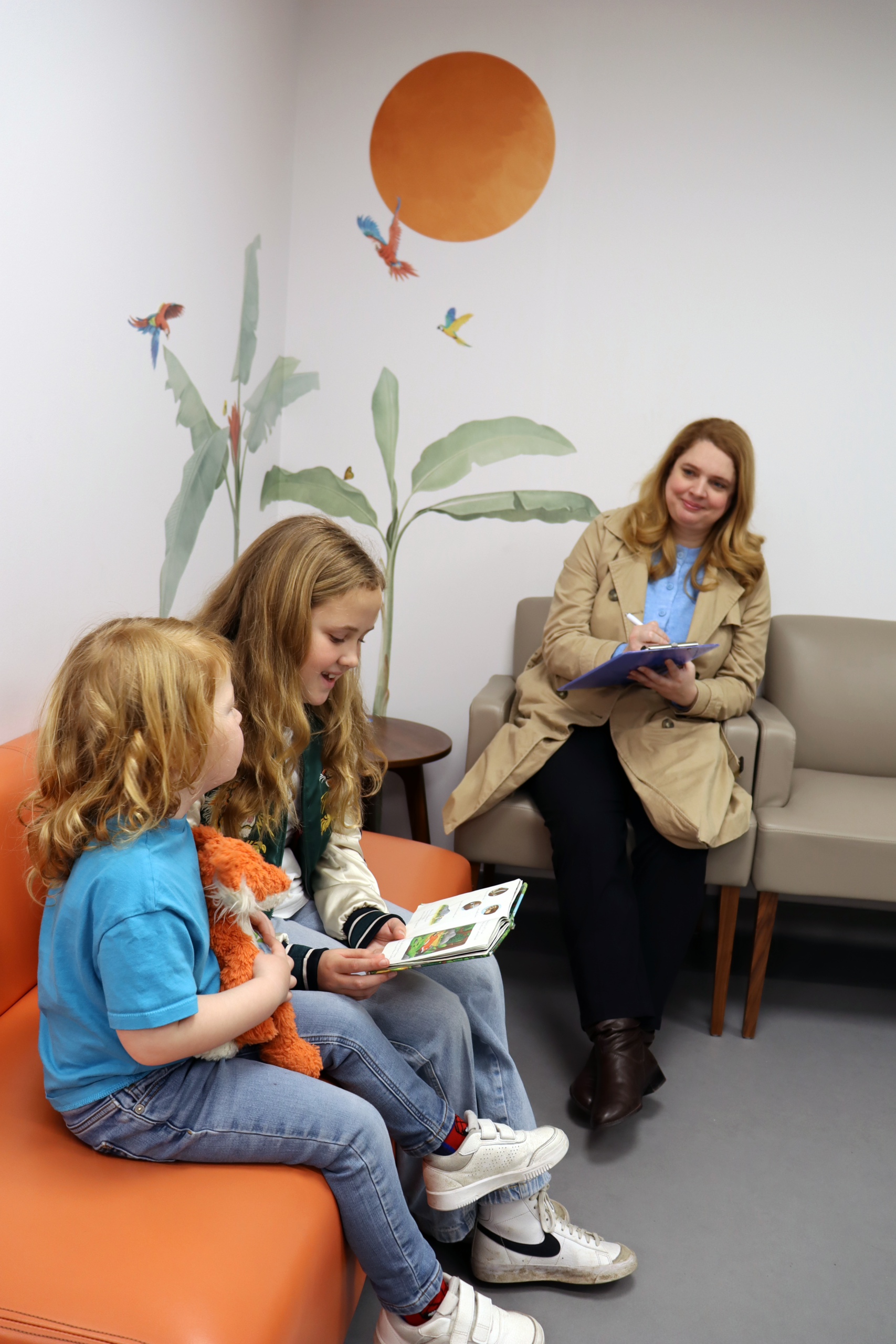
As the school and nursery year gets underway, seasonal illnesses quickly follow. Coughs, colds, and childhood infections are a familiar part of this time of year, and while they can be worrying, they are often a normal stage of development. In this blog Kate Lewis, Paediatric Advanced Clinical Practitioner at St John & St Elizabeth Hospital, offers clear, practical guidance to help parents recognise common illnesses, reduce the risk of infection, and know when to seek medical advice.
Drawing on her clinical experience, Kate encourages parents to keep perspective, focus on simple preventative measures, and trust their intuition when something feels off.
“A child’s immune system develops over time,” Kate explains. “It’s a bit like learning to cook. At the beginning, they don’t have any recipes. Each infection they encounter adds another one, helping them build strength and resilience for the future.”
She also reminds parents that they know their children best. “Parents are experts in their own children. If something doesn’t seem right, that instinct is incredibly important and should never be ignored.”
Common Seasonal Illnesses
During the autumn and winter months, Kate notes that certain conditions become far more common. Chickenpox tends to peak in autumn and spring, while hand, foot and mouth disease is frequently seen at this time of year. Children may develop general viral symptoms alongside sore throats and distinctive rashes on their hands, feet, and around the mouth. There is also an increase in streptococcal tonsillitis, which can initially look very similar to a viral infection.
Because early symptoms often overlap, it isn’t always easy — even for clinicians — to immediately tell whether an illness is viral or bacterial. For this reason, Kate advises parents to keep a close eye on how symptoms progress and to watch for specific warning signs.
Three Key Red Flags If Your Child Is Feeling Unwell
Kate highlights three important signs that suggest a child should be assessed by a healthcare professional rather than managed at home:
- A temperature that does not respond to paracetamol or ibuprofen, or a fever that lasts longer than three to four days.
- Indicators of dehydration, such as significantly fewer wet nappies or toilet visits (fewer than three to four in a 24-hour period), or refusing fluids altogether.
- A clear change in behaviour for example, a child who stops playing, appears unusually sleepy, or seems noticeably different from their normal self.
“If any of these red flags are present, it’s time to get medical advice,” Kate says. “That might be through NHS 111, a walk-in centre, or a private paediatric clinic offering same-day appointments. The NHS Healthier Together website is also a great resource, with a traffic-light system to guide parents. But ultimately, knowing your child and trusting your instincts is key.”
Paediatric Specialist’s Practical Advice for Parents
Kate also shares several everyday tips to help parents navigate illness season with confidence:
- Subtle changes can be important. A child who suddenly stops playing or interacting may not just be tired — it can sometimes signal something more serious.
- Appetite often drops when children are unwell, and that’s okay. The priority is fluids and ensuring they are still producing wet nappies or going to the toilet regularly.
- Antibiotics do not treat viral infections and are not helpful in most childhood illnesses. They should only be used when there is clear evidence they will be effective.
- A fever that doesn’t come down with paracetamol or ibuprofen, or poor fluid intake, should always prompt medical review.
- Preventative measures matter: staying up to date with vaccinations, regular handwashing, using tissues for sneezes, and keeping unwell children at home all help limit spread.
- Frequently touched surfaces such as door handles can play a role in transmission — simple cleaning and good hand hygiene are more effective than elaborate cleaning products.
- Fresh air is often overlooked. Good ventilation and spending time outdoors can make a real difference during peak illness seasons.
Together, these simple steps and signs can help parents feel more prepared, reassured, and confident as their children navigate the inevitable bugs that come with growing up.
Our Paediatric Clinic offers same-day appointments in St John’s Wood for children and babies. We see a children for a range of illness, accidents and developmental checks in a calm and family-friendly environment. Find out more about our clinic.
Posted on: 18 December 2025
Tags: