


What is Endometriosis?
Endometriosis is a long-term condition where tissue similar to the lining of the womb grows outside the uterus. This tissue can affect the ovaries, fallopian tubes, bladder, bowel and other areas within the pelvis, leading to inflammation, pain and, in some cases, fertility problems.
Symptoms vary from person to person but commonly include painful periods, pelvic pain, pain during sex, heavy menstrual bleeding, bowel or bladder symptoms, and difficulty conceiving. When symptoms are severe or have not responded to hormonal treatments, endometriosis surgery is often recommended to remove the tissue and provide lasting relief.
At St John & St Elizabeth Hospital, our specialist gynaecologists provide comprehensive assessment, diagnosis and treatment, helping patients access the most appropriate care based on their symptoms, lifestyle and future fertility plans.
How is Endometriosis Diagnosed?
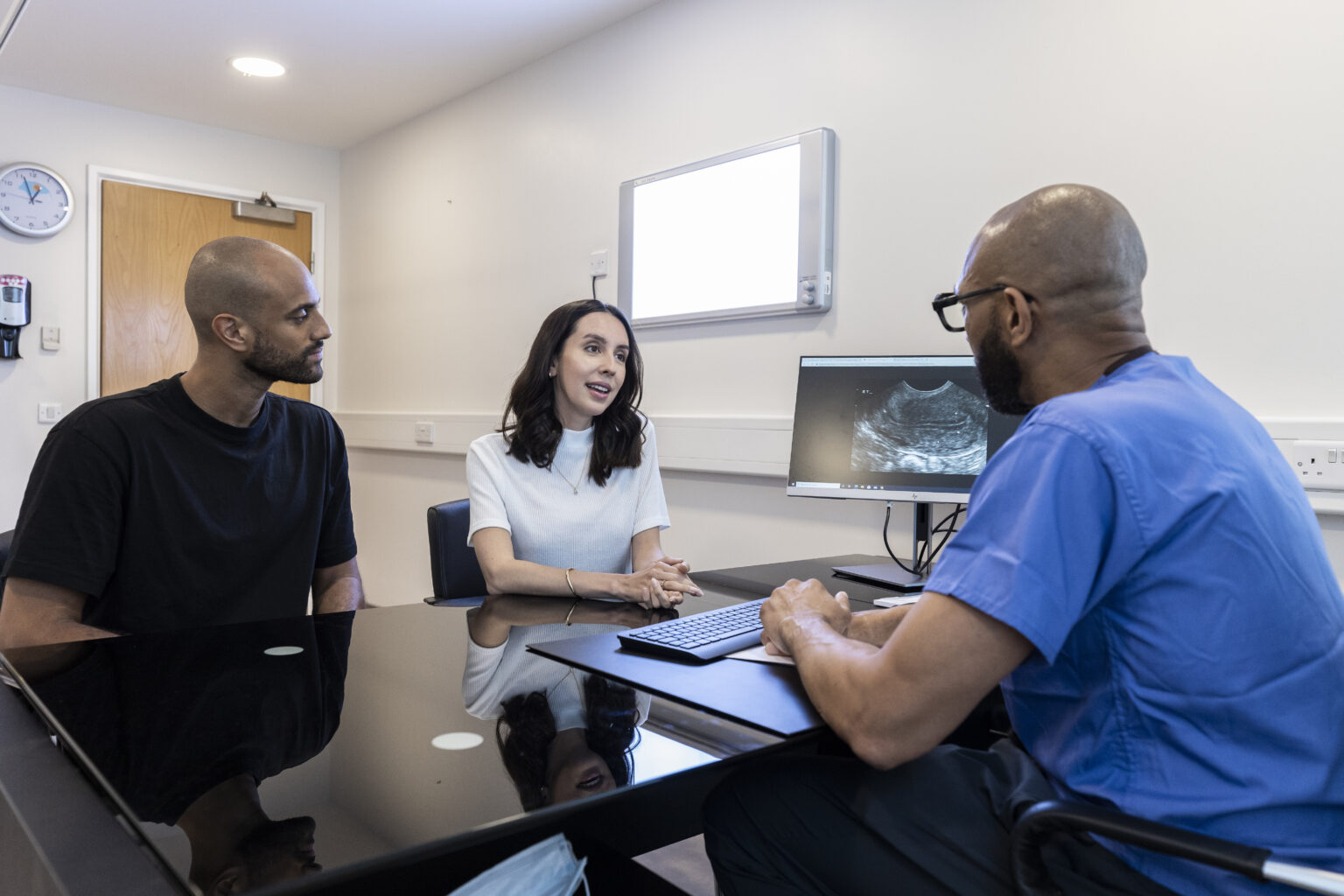
Diagnosing endometriosis often begins with a detailed consultation and discussion of your symptoms, medical history and treatment goals. Your consultant may recommend:
- Pelvic examination
- Ultrasound scanning
- MRI scanning
- Blood tests where appropriate
- Diagnostic laparoscopy (keyhole surgery)
While ultrasound scans can identify some features of endometriosis they cannot always confirm the diagnosis. In some cases, a laparoscopy remains the most accurate way to diagnose endometriosis and can often allow treatment to be performed during the same procedure.
Endometriosis treatment options
Treatment for endometriosis depends on the severity of your symptoms, whether you are trying to conceive, and your personal preferences. Options include:
- Hormonal therapy: Intra-uterine hormones such as the Mirena IUS (coil) can provide pain relief and are used as a long-term management option.
- Conservative surgery (laparoscopic excision): Keyhole surgery to remove endometriosis tissue by cutting it out of the body. This is the most effective surgical treatment for endometriosis and can often be performed at the same time as a diagnostic laparoscopy.
- Complex surgery: More extensive surgery involving other organs affected by endometriosis, such as the bladder or bowel. In cases of severe disease, more radical surgery such as hysterectomy may be considered when all other options have been exhausted.
What is endometriosis surgery?
The most common surgical treatment for endometriosis is laparoscopic excision, a minimally invasive keyhole procedure performed under general anaesthetic. During the operation, a surgeon uses a thin camera (laparoscope) inserted through small incisions in the abdomen to locate and cut out endometriosis tissue. Where possible, diagnosis and treatment are combined in a single procedure, reducing the need for multiple operations.
For milder cases, laser ablation may be used to destroy endometriosis tissue rather than excise it, though excision is generally considered more effective for deeper or more extensive disease. In severe cases where endometriosis has affected the bowel, bladder or other organs, more complex surgery involving a multidisciplinary team may be required.
Endometriosis surgery aims to remove as much tissue as possible to relieve symptoms, improve fertility outcomes and reduce the risk of recurrence.
Who is endometriosis surgery suitable for?
Laparoscopic excision surgery for endometriosis is typically recommended when:
- Symptoms such as chronic pelvic pain, painful periods or pain during sex are significantly affecting your quality of life
- Hormonal treatments have not provided sufficient relief
- Endometriosis is affecting fertility and you are trying to conceive
- A diagnosis of endometriosis has been confirmed or is strongly suspected based on imaging or symptoms
Your consultant will discuss your symptoms, treatment history and goals in detail before recommending the most appropriate surgical approach for your individual case
How Much Does Private Endometriosis Treatment Cost?
*The prices shown below are an estimated guide to the hospital charges associated with your treatment from admission to discharge. Your final cost may vary depending on your individual clinical needs, the procedure performed, any additional treatments required, the type of implant/prosthesis used (where applicable), and the length of stay. This guide price excludes consultation fees, diagnostic tests, and professional fees charged separately by your surgeon, anaesthetist, and any other specialists involved in your care.
|
Cost of Diagnostic Laparoscopy for Endometriosis |
Call us |
|---|---|
|
Cost of Laparoscopic Treatment of Endometriosis |
from £4,725* |
How to pay for your treatment
If you’re… paying for yourself
Did you know you don’t need private medical insurance to come to St John & St Elizabeth Hospital? As a self-pay patient, you can access safe, outstanding quality health care at times to suit you.
For scans and tests, as well as to see most consultants, you’ll still need to be referred by a medical professional like your GP, but as a self-pay patient, the process is more straightforward. You won’t need authorisation from an insurance provider, and you’ll have greater choice of consultant and appointment times.
If you’re… insured
St John & St Elizabeth Hospital is approved by all major medical insurance companies. If you have a personal private health insurance policy, or your company provide it for you, you can use it to pay for your care from your initial consultation through to treatment, surgery and aftercare such as physiotherapy. Not all private health insurance plans cover the same things. It’s very important to check exactly what you are covered for with your insurance provider.
Frequently asked questions about endometriosis surgery
If you suspect endometriosis or have a diagnosis and want to explore treatment, book a consultation with one of our experienced gynaecologists. During your appointment, your doctor will take a detailed medical history and ask about your symptoms. A pelvic exam and ultrasound scan will be carried out to check for abnormalities such as ovarian cysts (endometriomas). While an ultrasound can’t confirm endometriosis, it helps guide the next steps. If endometriosis is suspected, your doctor may refer you for an MRI or recommend a laparoscopy to confirm the diagnosis and, where possible, treat the condition at the same time.
Ahead of surgery, you’ll need to attend a pre-operative assessment and undergo tests including MRSA screening. You’ll be asked to use specific antibacterial soaps and lotions beforehand to reduce infection risk. Let your doctor know if you take blood thinners (e.g. Warfarin, aspirin) or NSAIDs (e.g. ibuprofen), as these may need to be paused. On the day, you’ll need to fast—no food for six hours and no water for four hours before surgery. Bring loose clothing and essentials like a toothbrush, phone charger, and any medications.
Performed under general anaesthetic, this minimally invasive surgery uses 3–4 small incisions in your abdomen to access and remove endometriosis tissue. A laparoscope (a thin tube with a camera) is used to inspect your pelvic organs. If tissue is found, it can be cut out (excised) during the same procedure. If endometriosis is affecting the bowel or bladder, more complex steps—such as partial organ removal or the creation of a temporary stoma or catheter—may be discussed and planned in advance.
After surgery, you’ll recover in hospital for 1–5 nights, depending on the procedure’s complexity. At home, expect abdominal discomfort, light vaginal bleeding, and fatigue. Keep your dressing on for two days; it’s fine if it gets wet in the shower—just pat dry. Regular pain relief is recommended, and you may be prescribed hormone therapy to prevent recurrence. Recovery generally takes 4–6 weeks, with driving, heavy lifting and intense exercise restricted for about four weeks. Most people take 1–2 weeks off work.
Yes. You’ll have follow-up appointments at two weeks and three months to check your recovery. Your first period after surgery may be more painful than usual—if you’re concerned, especially about heavy bleeding or blood clots, contact our team. Eating well, staying hydrated, and maintaining gentle movement can support your recovery. Your care team will continue to work with you to manage any ongoing symptoms and help prevent recurrence.
Yes, but leaving the ovaries increases the risk of the endometriosis returning. If both ovaries are removed, this causes an instant menopause. Going ahead with this type of surgery is a big decision so it’s important to keep in mind that a more radical approach will only be considered when all other medicinal and surgical treatment options have been exhausted.
St John & St Elizabeth Hospital is located in St John’s Wood (NW8), easily accessible for patients from Hampstead (NW3), Kilburn (NW6) and across North and Central London.
By Tube: St John’s Wood station (Jubilee Line) is a 5-minute walk from the hospital.
By Bus: Routes 13, 46 and 113 stop near St John’s Wood Underground Station. Routes 139 and 189 stop on Abbey Road.
By Car: Finchley Road and Kilburn High Road provide direct routes from NW3 and NW6.
Medically reviewed by Mr Emeka Okaro - MBBS FRCOG on 17/01/2024