
Would a Hernia Cause Back Pain?
 Read time: 8 mins
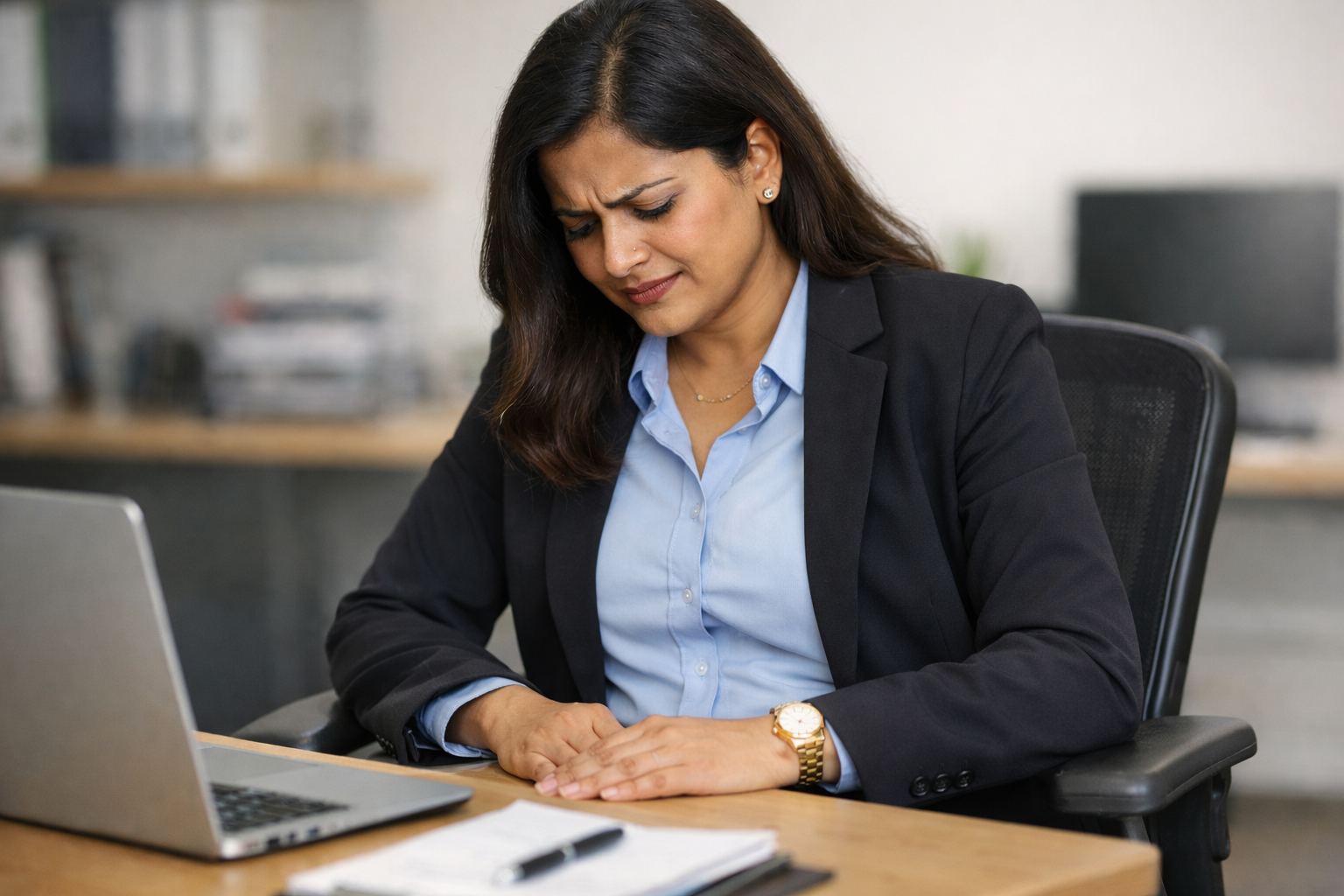
Hernias are a common condition, often associated with a noticeable lump, discomfort, or aching at the site of the hernia itself, usually around the abdomen or groin. But in some cases, people experience additional symptoms that seem less directly linked, such as lower back pain. Back pain is not a common symptom of hernias; when it occurs, it is usually indirect (for example due to posture or muscle tension) or due to another cause.
If you’ve noticed a dull ache or discomfort in your back and are wondering whether it could be related to a hernia, you’re not alone. While back pain is more typically caused by posture, injury, or spinal conditions, certain types of hernias may rarely contribute to back discomfort indirectly, especially if they affect surrounding tissues or nerves.
We spoke to Consultant Hernia Surgeon Mr Panagiotis Drymousis, who shares insight into how hernias can cause pain beyond the obvious bulge, what to expect from recovery, and how to manage discomfort effectively. His experience helps shed light on a condition that is often misunderstood, helping patients feel more informed and reassured.
Understanding Hernia Pain
A hernia occurs when tissue, usually part of the intestine or abdominal fat, pushes through a weak spot in the surrounding muscle or connective tissue. This can cause a visible or palpable bulge, often accompanied by discomfort or a heavy, dragging sensation. Pain typically worsens with physical activity, straining, or standing for long periods.
The most common types of hernias include:
- Inguinal hernias (in the groin)
- Umbilical hernias (around the belly button)
- Femoral hernias (upper thigh, just below the groin)
- Incisional hernias (at the site of a previous surgical scar)
Pain from a hernia is usually localised, felt at or near the hernia site. However, in some cases, discomfort may be more widespread. A hernia may cause muscle tightness or changes in posture that place strain on the lower back. Occasionally, larger hernias or those pressing on nearby nerves may cause referred pain that radiates into the back, pelvis or even down the legs.
For most people, hernia pain is described as a dull ache or sense of pressure, but the experience can vary depending on the hernia type, size, and individual sensitivity.
The Hernia Surgery Process Generally Includes the Following Steps
For many people with persistent or severe hernia pain, hernia surgery offers long-term relief for hernia-related symptoms. At St John & St Elizabeth Hospital, hernia repairs are typically carried out as day-case procedures and are often minimally invasive, depending on the hernia type and its severity.
Here’s what the surgical journey may look like:
- Initial assessment: A physical exam and possibly imaging tests help confirm the type of abdominal hernia, such as inguinal hernias, umbilical hernias, or incisional hernias.
- Discussion of symptoms: Whether you’re experiencing a dull ache, a sharp pain, or referred pain into the back muscles, your consultant will consider how the hernia is affecting nearby structures, including surrounding muscles and nearby nerves.
- Surgical planning: If the hernia is at risk of becoming a strangulated hernia (where blood flow is restricted to trapped tissue), your surgeon may recommend quicker surgical intervention.
- The operation: Most hernia repairs involve repositioning the herniated tissue and reinforcing the abdominal wall. Techniques may include mesh reinforcement to strengthen connective tissue and surrounding muscle.
- Recovery guidance: You’ll receive support to manage pain, avoid complications, and return to normal activities. Advice often includes avoiding lifting heavy objects and monitoring bowel habits, as straining during bowel movements can impact healing.
Whether you’re dealing with a lumbar hernia, abdominal wall hernia, or abdominal hernias, the process is designed to relieve symptoms, reduce risks, and help you return to daily life with less discomfort.
Overview of Pain After Hernia Surgery
Pain after hernia surgery is expected, especially in the first few days, but it’s usually manageable and short-lived. Many patients describe the discomfort as a dull ache or tightness around the surgical site, particularly when moving, coughing, or trying to stand upright.
The level and duration of hernia pain can depend on the type of abdominal hernia treated. For instance:
- Inguinal hernias may cause groin stiffness or pulling sensations post-surgery.
- Umbilical hernias often result in mild to moderate soreness around the belly button.
- Incisional hernias may be more sensitive, especially if previous scar tissue is involved.
- Lumbar hernias or spinal hernias can cause discomfort that spreads into the lower back or flanks.
In most cases, post-operative pain improves steadily within the first week. However, if you’re experiencing severe pain that doesn’t ease with rest or pain medication, or if the affected area becomes increasingly swollen or red, you should seek advice from a healthcare professional.
Importantly, while back pain may be present both before and after surgery, it’s often caused by changes in movement, posture, or surrounding tissues reacting to the hernia, not by the hernia itself.
Where Is Hernia Pain Located?
The location of hernia pain can vary depending on the type of hernia and whether it has been treated surgically. In general, pain is most commonly felt at or near the site where the tissue pushes through the abdominal wall or other weak spot.
Common pain locations include:
- Groin area – Seen in inguinal hernias, this is one of the most frequently affected regions. Pain here may be sharp, aching, or feel like a burning or pulling sensation.
- Belly button – Umbilical hernias tend to cause discomfort around the navel, especially when bending or straining.
- Upper thigh – Femoral hernias, which are less common, can cause pain that radiates into the inner thigh.
- Lower back or flank – A lumbar hernia or abdominal wall hernia may present as pain in the flank or side of the back, and occasionally mimic symptoms of a herniated lumbar disc. A herniated disc is a separate condition from an abdominal wall hernia.
- Upper abdomen or chest – A hiatal hernia, though not always painful, can cause discomfort under the ribs, chest tightness, or symptoms related to acid reflux.
Some people also experience referred pain, where the discomfort spreads to a nearby area, for example, from the lower abdomen into the back muscles. Pain may feel worse after lifting heavy objects, during bowel movements, or when standing for long periods.
Understanding where the pain is located can help guide diagnosis and treatment. It’s always best to speak with a healthcare professional if you’re unsure whether your symptoms are related to a hernia.
Stages of Hernia Surgery Recovery and Pain Duration
| Stage | Timeframe | What to Expect |
| Immediately After Surgery | Days 1–3 |
|
| Early Recovery | Days 4–14 |
|
| Mid to Late Recovery | Weeks 3–6 |
|
| Long-Term Recovery | After 6 weeks |
|
Factors Affecting Pain
Not everyone experiences hernia pain in the same way. A number of personal and medical factors can influence how intense the discomfort is and how long it lasts, both before and after hernia surgery.
Some of the most common factors include:
- Type of hernia: Different hernias cause different sensations. For example, inguinal hernias may lead to groin discomfort, while lumbar hernias or spinal hernias can cause pain that spreads to the back.
- Size and severity: Larger hernias may press on surrounding tissues or nearby nerves, causing more intense or widespread discomfort.
- Presence of complications: A strangulated hernia, where the blood supply to part of the tissue is cut off, is a medical emergency and usually causes severe pain.
- Surgical approach: Recovery may vary depending on whether the procedure was open or minimally invasive.
- Activity levels: Returning too quickly to lifting heavy objects or intense activity can prolong healing and increase pain.
- Pre-existing back issues: If you already have a condition like a herniated disc or chronic back pain, it may be harder to distinguish hernia-related discomfort from other symptoms.
Everyone’s experience is different, which is why it’s so important to talk with a healthcare professional about your symptoms and recovery.
Timeline of Hernia Pain
| Timeframe | Expected Pain Experience |
| Before Surgery |
|
| Day 1–3 After Surgery |
|
| Week 1–2 |
|
| Week 3–6 |
|
| After 6 weeks |
|
Pain Management If You Have a Hernia or After Surgery
Whether you’re living with an untreated hernia or recovering after hernia surgery, there are several ways to relieve pain and support healing.
For an untreated hernia:
- Lifestyle changes: Avoid lifting heavy objects and minimise activities that put strain on the abdominal wall.
- Support garments: A hernia belt may offer temporary relief for certain hernias by applying gentle pressure.
- Dietary adjustments: Prevent constipation and ease bowel movements by staying hydrated and eating fibre-rich foods.
- Pain medication: Over-the-counter pain relief like paracetamol or anti-inflammatories can help manage discomfort.
- Consultation: Speak with a healthcare professional to monitor symptoms and assess whether surgical intervention is needed.
After hernia surgery:
- Follow post-op advice: Adhere to your surgeon’s instructions, particularly around wound care and physical activity.
- Medication: You may be prescribed pain medication in the early stages. Use it as directed to stay comfortable while you recover.
- Ice and rest: Applying cold packs can help reduce inflammation and ease pain around the surgical wound.
- Gradual movement: Gentle walking and light activity can help circulation without overloading the affected area.
- Monitor for symptoms: Any new sharp pain, swelling, or signs of infection should be reported to a healthcare professional.
Whether your hernia is being managed conservatively or you’re recovering from surgery, the goal is always to reduce pain, protect healing tissue, and return to daily life safely.
When to Seek Medical Attention For A Hernia
Most hernia pain and post-surgical discomfort will improve gradually. But there are times when symptoms point to something more serious, particularly if the hernia becomes strangulated or if healing doesn’t follow the expected pattern.
Seek immediate medical attention if you experience:
- Sudden, severe pain at the hernia site
- A noticeable bulge that becomes hard, tender, or can’t be pushed back in
- Redness, warmth, or discharge around the surgical wound
- Nausea, vomiting, or difficulty passing bowel movements
- A high temperature or chills
- Any signs of reduced blood supply to the area (e.g. skin colour changes)
- Increasing back pain that doesn’t settle with rest or medication
If you’re unsure whether your symptoms are related to a hernia or something else, like a herniated disc or muscular issue, it’s always best to consult a healthcare professional.
Importance of Physical Therapy After Hernia Surgery
While not everyone will need formal physiotherapy after hernia surgery, movement and strength gradually play an important role in long-term recovery and in reducing hernia pain.
After the initial healing phase, gentle exercise can help:
- Strengthen surrounding muscles in the abdominal wall and lower back
- Improve posture and reduce pressure on the affected area
- Prevent stiffness and improve mobility, particularly if you had a lumbar hernia or are experiencing back pain
- Lower the risk of recurrence by supporting connective tissue and encouraging balanced movement
A physiotherapist may guide you through tailored stretches and core stability work, all designed to promote a safe return to activity while avoiding strain or pain.
If you had a more complex repair (such as for a abdominal wall hernia or incisional hernia), working with a specialist can be especially helpful to support healing and avoid re-injury.
What You Should Eat After Hernia
A balanced, nutrient-rich diet plays a key role in both managing symptoms of a hernia and supporting healing after hernia surgery. What you eat can affect your digestion, energy levels, and even how much strain is placed on the abdominal wall during everyday activities like bowel movements.
Key dietary tips:
- Stay hydrated: Drinking enough water softens stools and reduces the need to strain.
- Eat fibre-rich foods: Whole grains, vegetables, fruits, and legumes help prevent constipation, a common trigger for discomfort or recurrence.
- Include lean protein: Foods like chicken, fish, eggs, and dairy help rebuild connective tissue and support the repair of surrounding muscles.
- Avoid large, heavy meals: Especially with a hiatal hernia, smaller meals are gentler on the stomach and reduce pressure on the abdominal cavity.
- Limit processed foods: These can slow digestion and increase bloating, which may worsen hernia pain.
- Supplements like omega-3 fatty acids (for inflammation), vitamin C (for tissue repair), and calcium (for muscle function) may also support recovery. Speak to a healthcare professional before starting any new supplements, particularly if you’re managing other conditions.
You can also read our blog on ‘What Not to Eat After Hernia Surgery’
Seeking Help with Our Private Hospital in London
If you’re living with hernia pain or have concerns about symptoms like back pain, a noticeable bulge, or ongoing discomfort, our team is here to help. At St John & St Elizabeth Hospital in St John’s Wood (NW8), we provide expert-led care in a comfortable, well-connected location that serves patients across NW6 (Kilburn) and NW3 (Hampstead).
Our services include:
- Consultations with experienced hernia specialists, such as Consultant Hernia Surgeon Mr Panagiotis Drymousis, who brings years of surgical expertise and a patient-first approach
- Same-day appointments, so you won’t have to wait weeks to be seen
- Access to advanced diagnostics and minimally invasive surgery, all under one roof
- Personalised recovery plans, including physiotherapy support and dietary guidance
- A discreet and welcoming environment where you’re treated with compassion and respect
To book a consultation or learn more about private hernia surgery in London, get in touch with us today. We’re here to help you get answers and relief.
Frequently Asked Questions About Hernias
Can a hernia cause back pain in females?
Yes, a hernia can cause back pain in both males and females, particularly if the hernia is large, placing pressure on surrounding muscles or nearby nerves. In females, inguinal hernias or lumbar hernias may present with lower abdominal or pelvic discomfort that radiates into the back.
What kind of hernia causes back pain?
Hernias most commonly linked to back pain include lumbar hernias, which occur in the lower back region, and spinal hernias. In some cases, larger inguinal or abdominal hernias may also cause discomfort that affects posture or leads to referred pain in the back.
Can an umbilical hernia cause back pain in adults?
While umbilical hernias typically cause pain near the belly button, some adults may also experience back pain due to tension in the abdominal wall or compensatory posture changes. This is more common when the hernia is large or longstanding.
When should I worry about hernia pain?
You should seek medical attention if you experience:
- Severe pain that worsens quickly
- A noticeable bulge that becomes hard or tender
- Difficulty passing bowel movements
- Nausea or vomiting
These may be signs of a strangulated hernia, where the blood supply to tissue is compromised.
Can a hernia cause back pain and nausea?
Yes, some hernias, especially hiatal or strangulated hernias, can lead to a combination of back pain, nausea, and digestive issues. These symptoms should always be reviewed by a healthcare professional.
What does hernia-related back pain on the right side mean?
Right-sided back pain may be linked to a lumbar hernia, inguinal hernia, or femoral hernia on that side of the body. Pain may also reflect how the body is compensating for discomfort, especially if one side is more affected than the other.
What does hernia-related back pain on the left side mean?
Like with the right side, left-sided back pain may be caused by a lumbar, spinal, or inguinal hernia affecting that side. If the pain is persistent or accompanied by a visible bulge, it’s important to get it checked.
Posted on: 9 March 2026
Last updated: 9 March 2026
Tags:
Content provided by Mr Panagiotis Drymousis - MD, PhD