


Hernia Treatments
Below is a list of the most common types of hernia repair that our experienced consultant surgeons in London treat on a day-to-day basis.
If you don’t see a required treatment below, get in touch for more information.
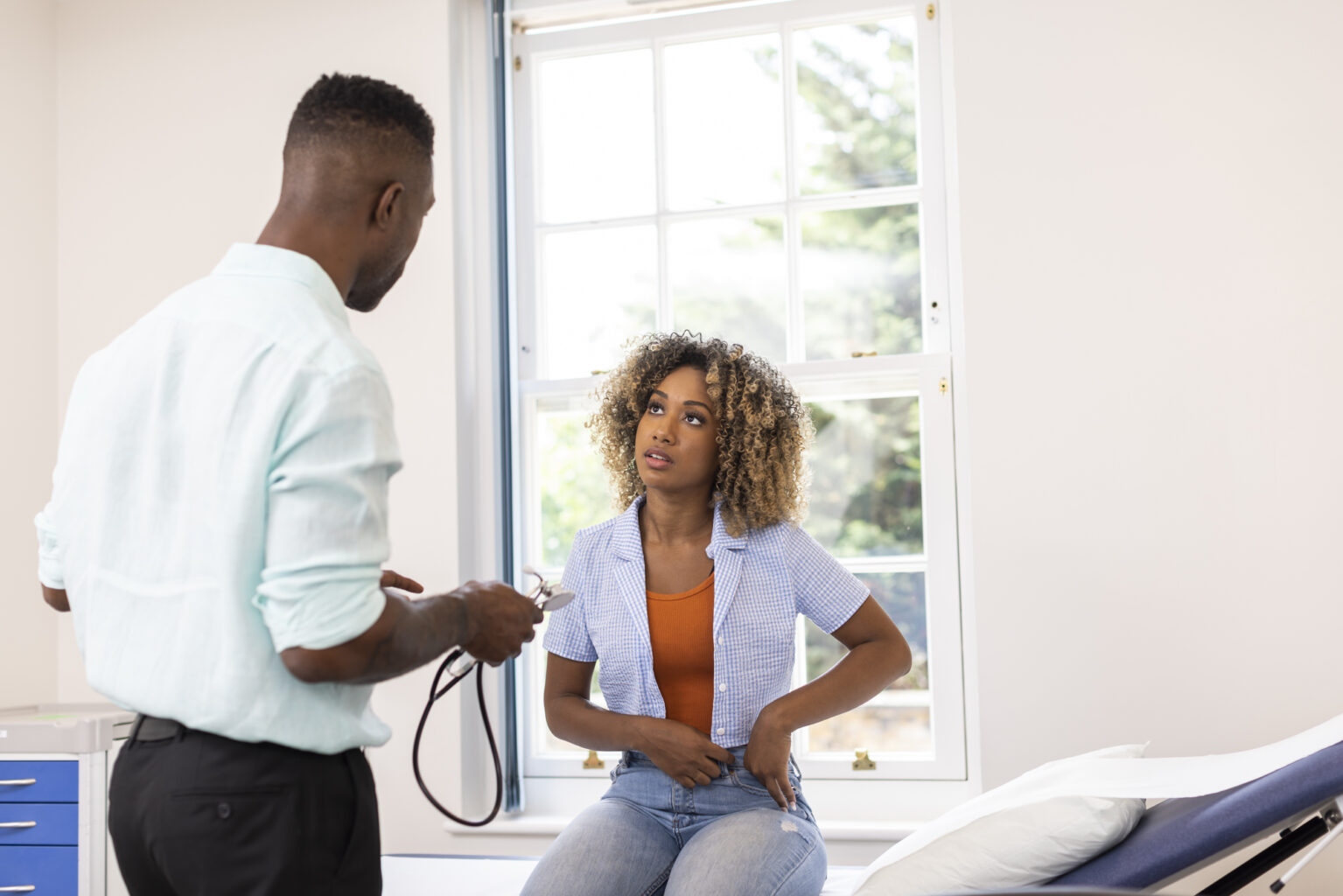
We offer expert assessment and hernia surgery for all types of hernias, led by private consultants in London who specialise in hernia care. Our hernia specialists treat inguinal hernias, femoral hernias, umbilical hernias, incisional hernias, hiatus hernias, as well as complex hernias and recurrent abdominal hernias following previous surgery. You may be able to access a same-day or next-day initial consultation, with many hernia operations carried out as day cases to support a faster recovery and an early return to normal activities.
At our private hernia clinic in North London, we provide diagnosis and surgical repair for hernia affecting the groin, abdominal wall and belly button. This includes femoral hernia surgery for hernias that develop in the femoral canal near the inner thigh, as well as treatment for strangulated hernias that require urgent surgery. Using the latest techniques, including laparoscopic surgery (keyhole surgery) through tiny incisions, as well as open surgery where appropriate, we tailor hernia repair to your needs. Whether you have small hernias, large hernias or more complex hernias involving internal organs or fatty tissue pushing through a weak spot in the muscle wall, our team will talk you through all available treatment options and ensure your surgery is as straightforward and effective as possible.
Our London Hernia Clinic supports patients with a wide range of hernia types, from common abdominal hernias to complex or recurrent cases. Some hernias are clearly visible or cause discomfort, while others may present with more subtle symptoms. Whether you’ve already been diagnosed or are concerned about a persistent bulge or pain, our team is here to help.
You may wish to see one of our hernia specialists if you’re experiencing:
Below is a list of the most common types of hernia repair that our experienced consultant surgeons in London treat on a day-to-day basis.
If you don’t see a required treatment below, get in touch for more information.
The table below outlines guide prices for common procedures, giving you a clear overview of hernia surgery costs and what you can expect when considering a private hernia operation.
| Treatment | Guide Price From |
| Epigastric Hernia Repair | £3,600 |
| Femoral Hernia Repair | £3,300 |
| Hiatal Hernia Repair | £6,495 |
| Hiatal Hernia Repair (LINX) | £9,445 |
| Incisional Hernia Repair | £2,145 |
| Inguinal Hernia Repair (open, unilateral) | £2,280 |
| Inguinal Hernia Repair (laparoscopic, unilateral) | £3,295 |
| Inguinal Hernia Repair (open, bilateral) | £2,870 |
| Inguinal Hernia Repair (laparoscopic, bilateral) | £4,235 |
We recognise that coming into hospital can be a stressful and an unnerving experience. At St John & St Elizabeth Hospital we are committed to the welfare of all our patients and you will find all staff will work hard to ensure your stay with us is a positive experience.
You can read articles, interviews and blogs on a range of health topics, including hernia problems on our blog page. We frequently speak to our expert consultants and clinicians to get their specialist advice.
St John & St Elizabeth Hospital is based in St John’s Wood (NW8), near Regent’s Park and Abbey Road Studios. We are easily accessible from nearby areas such as Hampstead (NW3) and Kilburn (NW6):
By Tube:
St John’s Wood station (Jubilee Line) is a 5-minute walk from the hospital.
By Bus:
Wellington Road: Routes 13, 46, and 113 stop near St John’s Wood Underground Station, just a short walk from the hospital.
Circus Road: Routes 46 and 187 stop close to the hospital’s Circus Road entrance.
Abbey Road: Routes 139 and 189 stop near the junction where Grove End Road becomes Abbey Road, providing easy access.
By Car:
From NW3 or NW6, use Finchley Road or Kilburn High Road for a direct route.
At your first appointment in our hernia clinic, you’ll meet one of our experienced consultants for a thorough assessment. We’ll ask about your symptoms, medical history and any previous surgery before carrying out a clinical examination.
If a hernia is confirmed, we’ll explain your treatment options clearly, including whether surgery is recommended and what recovery may involve. You’ll have the opportunity to ask questions so you feel fully informed about your next steps.
Hernia surgery is usually performed under general anaesthesia, so you’ll be asleep during the procedure. In some cases, particularly for small hernias, a local anaesthetic may be suitable.
Your consultant will review your medical history and any previous surgery at your initial consultation to decide what is safest and most appropriate for you. After surgery, we provide painkillers to keep you comfortable. Most hernia operations are day cases, allowing you to return home the same day and gradually resume normal activities.
In most cases, hernias can be effectively repaired with surgery, which often resolves the issue completely. However, like any surgery, there’s a small risk of recurrence, particularly if the hernia is large, complex, or left untreated for a long time.
Large or recurrent incisional hernias, particularly those that occur after multiple surgeries, are typically the most complex to repair. These may require advanced techniques such as mesh reconstruction or component separation, which our specialists are experienced in performing.
Some people live with small, uncomplicated hernias for years without significant issues. However, hernias can enlarge or cause complications over time. It’s important to have them monitored by a specialist, even if they don’t initially cause much discomfort.
Heavy lifting, intense abdominal exercises, and activities that strain the core can worsen a hernia or increase the risk of complications. Until assessed or treated, it’s best to avoid anything that causes pressure or pain in the affected area.
For hiatus hernias in particular, acidic, spicy, and fatty foods can worsen symptoms like heartburn or reflux. Caffeine, alcohol, and large meals can also be problematic. Eating smaller, lighter meals more frequently often helps.
If you have a hiatus hernia, sleeping slightly upright on your left side may reduce symptoms. For abdominal or groin hernias, sleeping on your back with slight leg elevation can help reduce pressure. Your consultant can advise based on your specific condition.
Activities that increase intra-abdominal pressure, such as coughing, straining during bowel movements, lifting heavy items, or even prolonged standing, can aggravate hernia symptoms. Managing triggers and avoiding strain can reduce discomfort while awaiting or recovering from surgery.