


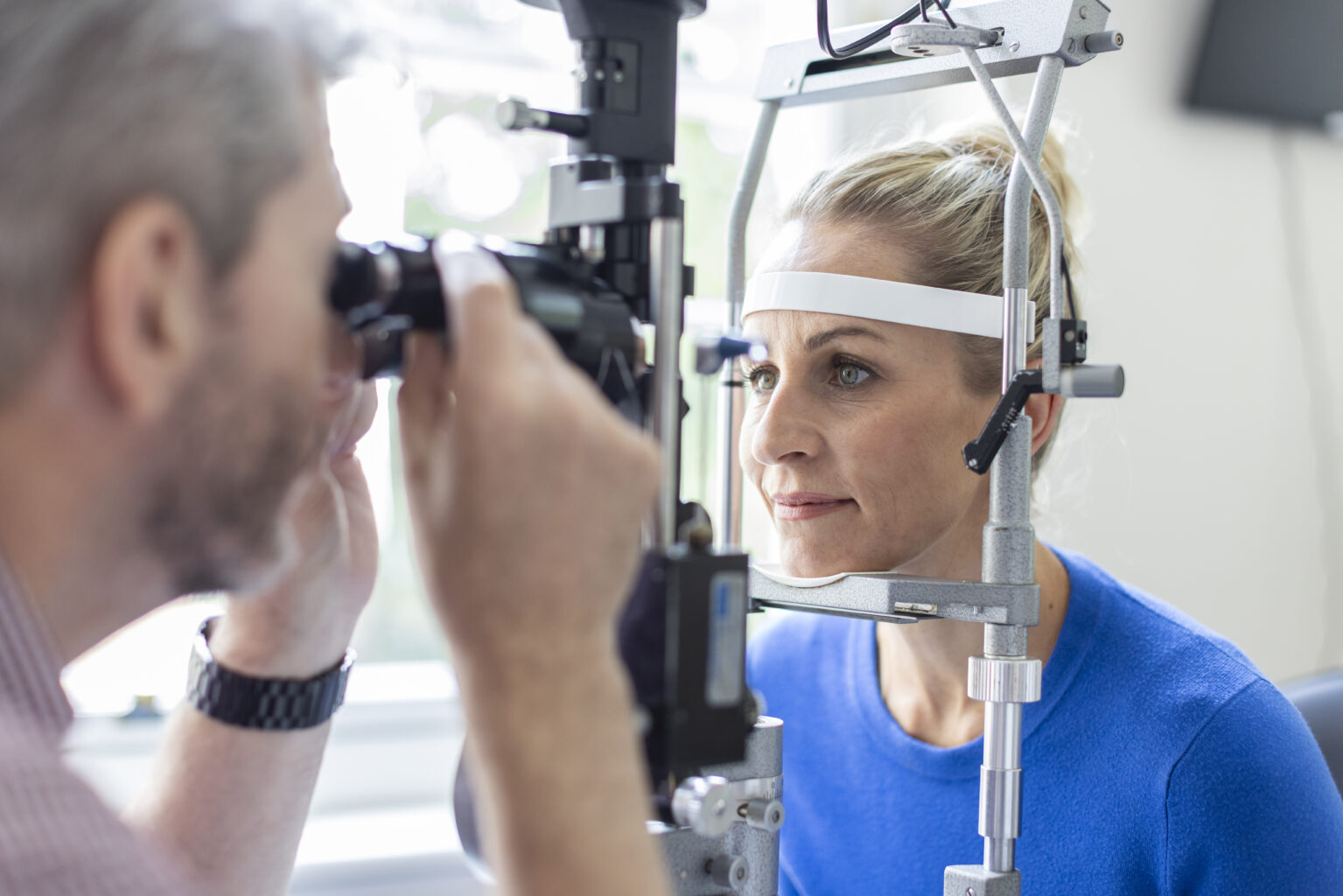
What is a Cornea Transplant?
A cornea transplant, also known as corneal graft surgery, involves replacing part or all of a damaged cornea with healthy donor tissue. The cornea is the clear, dome-shaped surface at the front of the eye that helps focus light and plays a vital role in vision.
When the cornea becomes scarred, swollen, irregular or diseased, it can affect sight and cause discomfort. A cornea transplant can help restore the clarity and function of the cornea, improving both vision and eye health.
At St John & St Elizabeth Hospital, our specialist eye surgeons offer a range of modern corneal transplant techniques, selecting the most appropriate approach based on your individual condition.
A cornea transplant may be recommended if the cornea has become damaged or diseased and other treatments are no longer effective.
Common conditions include:
- Keratoconus
- Fuchs’ endothelial dystrophy
- Corneal scarring following infection or injury
- Corneal ulcers
- Corneal swelling (oedema)
- Failed previous corneal grafts
- Inherited corneal disorders
Our consultants will carry out a comprehensive assessment to determine whether a corneal transplant is the most appropriate treatment for you.
Consultants who perform cornea transplant in London
What Happens During Cornea Transplant Surgery?
Corneal transplant surgery is typically performed under local anaesthetic with sedation or, in some cases, general anaesthetic.
During the procedure, the damaged portion of the cornea is carefully removed and replaced with healthy donor tissue. The new tissue is secured in place using ultra-fine sutures or specialised techniques depending on the type of transplant being performed.
Most procedures are performed as day-case surgery, allowing patients to return home the same day.
Why Choose Us for Cornea Transplant Surgery?
At St John & St Elizabeth Hospital, we provide expert cornea transplant surgery in London delivered by experienced consultant ophthalmologists with specialist expertise in corneal conditions.
Patients benefit from:
- Consultant-led corneal care
- Comprehensive diagnostic assessment
- Advanced corneal transplant techniques
- Personalised treatment plans
- Modern private hospital facilities
- Dedicated nursing and aftercare support
- Rapid access to consultations and surgery
Our focus is on restoring vision, preserving eye health and helping patients achieve the best possible quality of life.
Frequently asked questions about ketoplasty
Cornea transplant surgery is generally highly successful, particularly when performed for conditions such as keratoconus or Fuchs’ dystrophy. Your consultant will discuss the expected outcomes based on your individual condition.
Many corneal transplants remain successful for many years. Long-term outcomes depend on the underlying condition, the type of transplant performed and ongoing eye health.
The procedure itself is performed under anaesthetic, and most patients experience only mild discomfort during recovery, which can usually be managed with prescribed medication.
Recovery varies depending on the type of transplant. Some modern partial-thickness procedures recover more quickly than traditional full-thickness transplants, although vision can continue to improve over several months.
A cornea transplant can significantly improve vision for many patients, although the degree of improvement depends on the underlying eye condition and overall eye health.
Regular follow-up appointments are important to monitor healing and ensure the best possible outcome.
Many patients notice gradual improvements in vision over the weeks and months following surgery, although recovery times vary between individuals.
Your consultant will provide detailed guidance on returning to work, driving and other daily activities.
Yes there are alternative treatments to a cornea transplant. Depending on your condition, you may be offered non-surgical treatments such as eye drops or specialist contact lenses. There are also different surgical treatments but this will depend on the medical condition you are being treated for.
Medically reviewed by Professor Mukhtar Bizrah - BSc, MBBS, FRCOphth(UK), FRCSC(Canada), FEBO(Europe) on 18/06/2026