
Contact number: 020 7806 4060


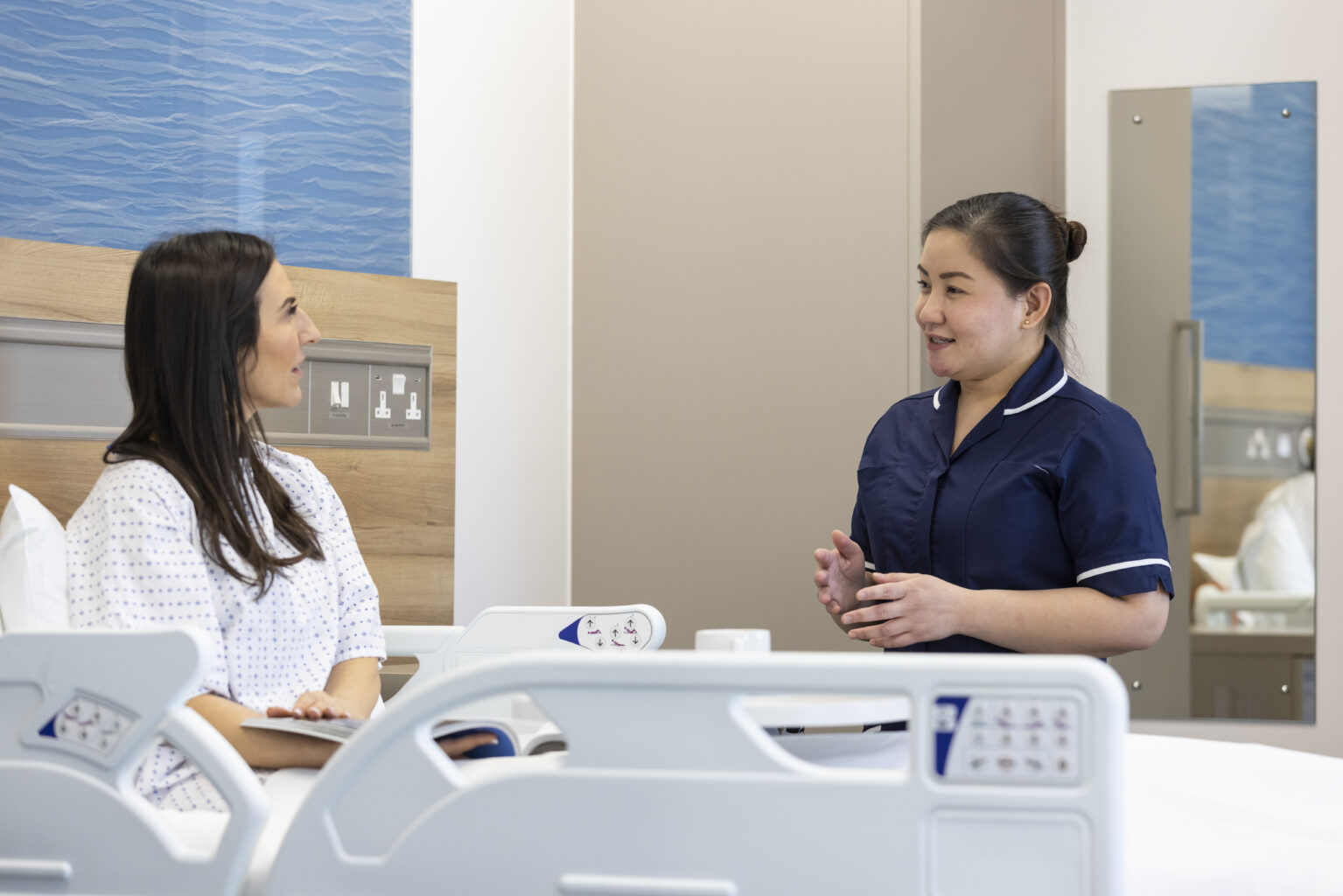
Private Ulcerative Colitis Treatment
Private ulcerative colitis treatment provides patients with fast access to specialist assessment, diagnosis and long-term care for this chronic inflammatory bowel condition. Ulcerative colitis is an autoimmune disease where the immune system mistakenly attacks the lining of the large bowel (colon), causing inflammation and ulcers.
The condition affects the colon and rectum, which are the final sections of the digestive tract. In ulcerative colitis, inflammation begins in the rectum and spreads continuously upwards through the colon. This differs from Crohn’s disease, which can affect any part of the gastrointestinal tract and often appears in patchy areas.
Although there is currently no cure, many people are able to manage symptoms effectively with specialist care and treatment. At our private gastroenterology clinic serving North London and St John’s Wood, patients can access expert diagnosis, monitoring and tailored treatment plans from experienced consultants.
What Are the Symptoms of Ulcerative Colitis?
Ulcerative colitis symptoms often occur in flares, followed by periods of remission where symptoms improve. Symptoms of ulcerative colitis vary depending on the severity and how much of the colon is affected. Many patients first notice persistent bowel changes or abdominal discomfort.
Common symptoms include:
- Diarrhoea, often with blood or mucus
- Urgency to open the bowels
- Frequent bowel movements
- Lower abdominal pain or cramping
- Fatigue
- Weight loss
- Anaemia
Some patients may also experience symptoms outside of the digestive system, including:
- Mouth ulcers
- Skin rashes
- Joint pain
- Eye inflammation
More severe disease may cause waking during the night to open the bowels, persistent bleeding, or worsening fatigue due to inflammation and blood loss. If these symptoms are ongoing, assessment by a specialist at a private ulcerative colitis clinic in North London can help confirm the diagnosis and begin appropriate treatment.
How Is Ulcerative Colitis Diagnosed?
Diagnosis of ulcerative colitis usually begins with an assessment of symptoms followed by investigations to confirm inflammation in the colon.
Initial tests often include:
- Blood tests to check for inflammation and anaemia
- Stool tests, such as faecal calprotectin, to detect bowel inflammation
The most important diagnostic test is usually an ulcerative colitis colonoscopy. During this procedure, a specialist uses a flexible camera to examine the inside of the colon and rectum. Small tissue samples (biopsies) are taken to confirm the diagnosis and assess the extent of inflammation.
Additional investigations may sometimes be used, including:
- MRI enterography to assess the bowel and surrounding structures
- Capsule endoscopy if there is concern about Crohn’s disease affecting the small intestine
A confirmed diagnosis allows the specialist to determine the severity and extent of disease and develop an appropriate treatment plan.
Private Treatment for Ulcerative Colitis
While ulcerative colitis cannot currently be cured, private ulcerative colitis treatment focuses on reducing inflammation, controlling symptoms and preventing flare-ups.
Treatment is usually introduced in a stepwise approach, depending on disease severity.
Common treatments include:
Anti-inflammatory medication
The first line of treatment often involves mesalazine medications, which reduce inflammation in the colon. These may be prescribed as:
- Tablets
- Suppositories
- Enemas
Steroid treatment
Short courses of steroids may be used during flare-ups to quickly reduce inflammation.
Immunomodulator medications
For patients with more persistent or severe disease, medications that regulate the immune system may be prescribed. These may be taken as tablets or injections and help prevent ongoing inflammation.
Diet and lifestyle support
Although diet alone cannot cure ulcerative colitis, working with a dietitian can help identify triggers and support digestive health during treatment.
At our private gastroenterology clinic near St John’s Wood in North London, patients benefit from specialist care, advanced diagnostic testing and personalised management plans designed to control symptoms and maintain long-term remission.
Consultants who treat Ulcerative Colitis
How to pay for your treatment
If you’re… paying for yourself
Did you know you don’t need private medical insurance to come to St John & St Elizabeth Hospital? As a self-pay patient, you can access safe, outstanding quality health care at times to suit you.
For scans and tests, as well as to see most consultants, you’ll still need to be referred by a medical professional like your GP, but as a self-pay patient, the process is more straightforward. You won’t need authorisation from an insurance provider, and you’ll have greater choice of consultant and appointment times.
If you’re… insured
St John & St Elizabeth Hospital is approved by all major medical insurance companies. If you have a personal private health insurance policy, or your company provide it for you, you can use it to pay for your care from your initial consultation through to treatment, surgery and aftercare such as physiotherapy. Not all private health insurance plans cover the same things. It’s very important to check exactly what you are covered for with your insurance provider.
Frequently Asked Questions about Ulcerative Colitis Treatment
St John & St Elizabeth Hospital is located in St John’s Wood (NW8), a well-connected and vibrant area of North West London, known for landmarks such as Regent’s Park and Abbey Road Studios. We are easily accessible from neighbouring areas, including Hampstead (NW3) and Kilburn (NW6):
- By Tube: St John’s Wood station (Jubilee Line) is just a 5-minute walk from the hospital. For patients travelling from Hampstead (NW3), Finchley Road station (Jubilee Line) offers a convenient route, while Kilburn (NW6) is similarly well served by the same line.
- By Bus:
Wellington Road: Routes 13, 46, 82, and 113 stop near St John’s Wood Underground Station, just a short walk from the hospital.
Circus Road: Routes 46 and 187 stop close to the hospital’s Circus Road entrance.
Abbey Road: Routes 139 and 189 stop near the junction where Grove End Road becomes Abbey Road, providing easy access.
- By Car: If you’re travelling from NW3 or NW6, use major roads like Finchley Road or Kilburn High Road for a direct approach.
Our hospital’s location in St John’s Wood ensures easy access for patients across London, particularly from the NW8, NW3, and NW6 postcodes
You should see a gastroenterology specialist if you have ongoing diarrhoea, blood in the stool, abdominal pain or unexplained weight loss. Early assessment allows doctors to investigate symptoms and start appropriate treatment to prevent complications and manage the condition effectively.
Diet does not cause ulcerative colitis, but certain foods may worsen symptoms during flare-ups. A specialist or dietitian can help identify dietary triggers and support nutritional health alongside medical treatment.
The exact cause of ulcerative colitis is not fully understood. It is thought to involve a combination of immune system dysfunction, genetic factors and environmental triggers. The immune system mistakenly attacks the lining of the colon, leading to chronic inflammation.
Medically reviewed by Mr Massimo Varcada - MBBS MD FRCS FEBS (Coloproctology) on 11/04/2024